

What is the average lifespan of a Refrigerator Locker's compressor?
What is the average lifespan of a Refrigerator Locker's compressor?
As a seasoned supplier of Refrigerator Lockers, I've encountered numerous inquiries about the average lifespan of a compressor, a crucial component in these units. In this blog, I'll delve into the factors that influence the compressor's lifespan, provide an estimated average, and offer insights on how to extend its longevity.
Understanding the Compressor in a Refrigerator Locker
Before discussing the lifespan, it's essential to understand the compressor's role. In a Refrigerator Locker, the compressor is the heart of the refrigeration system. It compresses the refrigerant gas, raising its pressure and temperature. This high - pressure gas then moves through the condenser, where it releases heat and condenses into a liquid. The liquid refrigerant then passes through an expansion valve, reducing its pressure and temperature before entering the evaporator. In the evaporator, it absorbs heat from the inside of the locker, cooling the contents. This continuous cycle is what keeps the Refrigerator Locker at the desired temperature.
Factors Affecting the Compressor's Lifespan
-
Usage Patterns
The frequency and intensity of use significantly impact the compressor's lifespan. If a Refrigerator Locker is constantly opened and closed, or if it is overloaded with items, the compressor has to work harder to maintain the set temperature. For example, in a commercial setting where a Frozen Locker is used to store large quantities of frozen goods and is accessed multiple times a day, the compressor will experience more wear and tear compared to a residential Chiller Locker that is opened less frequently. -
Maintenance
Regular maintenance is key to prolonging the compressor's life. This includes cleaning the condenser coils, checking the refrigerant levels, and ensuring proper ventilation around the unit. Dust and debris can accumulate on the condenser coils, reducing their ability to dissipate heat. As a result, the compressor has to work harder, which can lead to premature failure. For instance, if the condenser coils of a Anti - Corrosion Resident Refrigerated Locker are not cleaned for an extended period, the compressor may overheat and eventually break down. -
Quality of the Compressor
The quality of the compressor itself plays a vital role. Higher - quality compressors are typically built with better materials and more advanced technology, which can withstand more stress and last longer. When choosing a Refrigerator Locker, it's important to consider the reputation of the compressor manufacturer. A well - known and reliable brand may cost more upfront but can save you money in the long run by reducing the need for frequent replacements. -
Environmental Conditions
The environment in which the Refrigerator Locker operates also affects the compressor's lifespan. High ambient temperatures can make it more difficult for the compressor to dissipate heat, causing it to work harder. Similarly, a humid environment can lead to corrosion of the compressor components. For example, if a Refrigerator Locker is placed in a poorly ventilated room or near a heat source, the compressor will have to work overtime to maintain the desired temperature.
Average Lifespan of a Refrigerator Locker's Compressor
On average, a well - maintained compressor in a Refrigerator Locker can last between 10 to 15 years. However, this is just an estimate, and the actual lifespan can vary depending on the factors mentioned above. In a residential setting, where the usage is relatively light and the unit is properly maintained, the compressor may last closer to 15 years. In a commercial environment with heavy usage, the lifespan may be closer to 10 years or even less.
Tips to Extend the Compressor's Lifespan
-
Proper Installation
Ensure that the Refrigerator Locker is installed in a well - ventilated area away from heat sources. Leave enough space around the unit for proper air circulation. This will help the compressor dissipate heat more efficiently and reduce the workload. -
Regular Maintenance
As mentioned earlier, regular maintenance is crucial. Clean the condenser coils at least once a year, check the refrigerant levels, and inspect the compressor for any signs of wear or damage. If you're not comfortable performing these tasks yourself, hire a professional technician. -
Optimal Usage
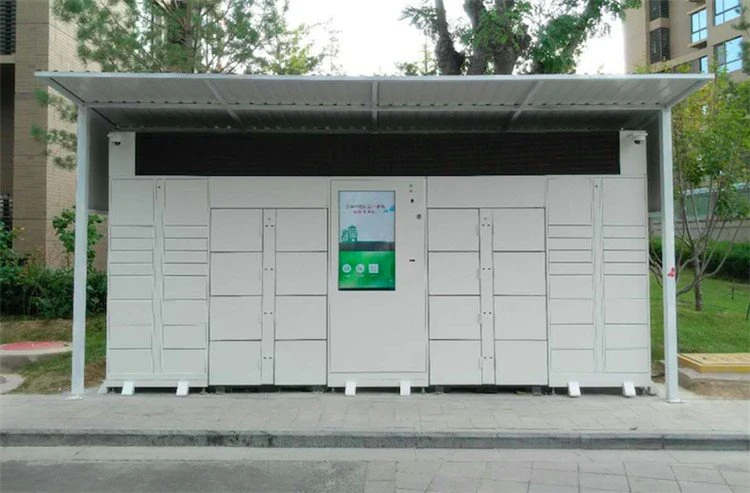
Avoid overloading the Refrigerator Locker and limit the frequency of door openings. Keep the unit at the recommended temperature settings. This will help the compressor operate more efficiently and reduce unnecessary stress.
-
Invest in Quality
When purchasing a Refrigerator Locker, choose a unit with a high - quality compressor. Look for models from reputable manufacturers that offer good warranties. This will give you peace of mind knowing that you're investing in a reliable product.
Conclusion
The average lifespan of a Refrigerator Locker's compressor is influenced by various factors, including usage patterns, maintenance, quality, and environmental conditions. By understanding these factors and following the tips provided, you can extend the compressor's lifespan and get the most out of your Refrigerator Locker.
If you're in the market for a Refrigerator Locker or need more information about our products, I encourage you to reach out to us. We're here to assist you in finding the perfect solution for your refrigeration needs. Whether it's a Frozen Locker, a Chiller Locker, or an Anti - Corrosion Resident Refrigerated Locker, we have a wide range of options to meet your requirements. Contact us today to start the procurement discussion and take the first step towards a reliable and efficient refrigeration solution.
References
- ASHRAE Handbook of Refrigeration. American Society of Heating, Refrigerating and Air - Conditioning Engineers.
- "Refrigeration Systems and Applications" by R. Raja Krishnan.