


Professional Warranty Service.
1. Spare parts providing. 2. Administrator training. 3. Training document providing. 4. Daily remote support and regularly return visit. 5. Providing visit service.
Professional Technical Team
Hangzhou Dongcheng Welgo Industrial Co., Ltd is the wholly-owned subsidiary of Hangzhou Dongcheng Electronic Co., Ltd. Being a professional manufacturer of intelligent dropoff & pickup locker equipment in China, we currently have more than 500 employees, nearly 100 R&D engineers included.
No.1 Sales Volume
We have been devoted to developing & providing the smart lockers to China and global markets since 1998. Over 200,000 electronic storage lockers have been installed in China so far and in foreign countries like Singapore, Malaysia , Thailand, Middle east, Australia, France, Russia, etc.
High Standard Products
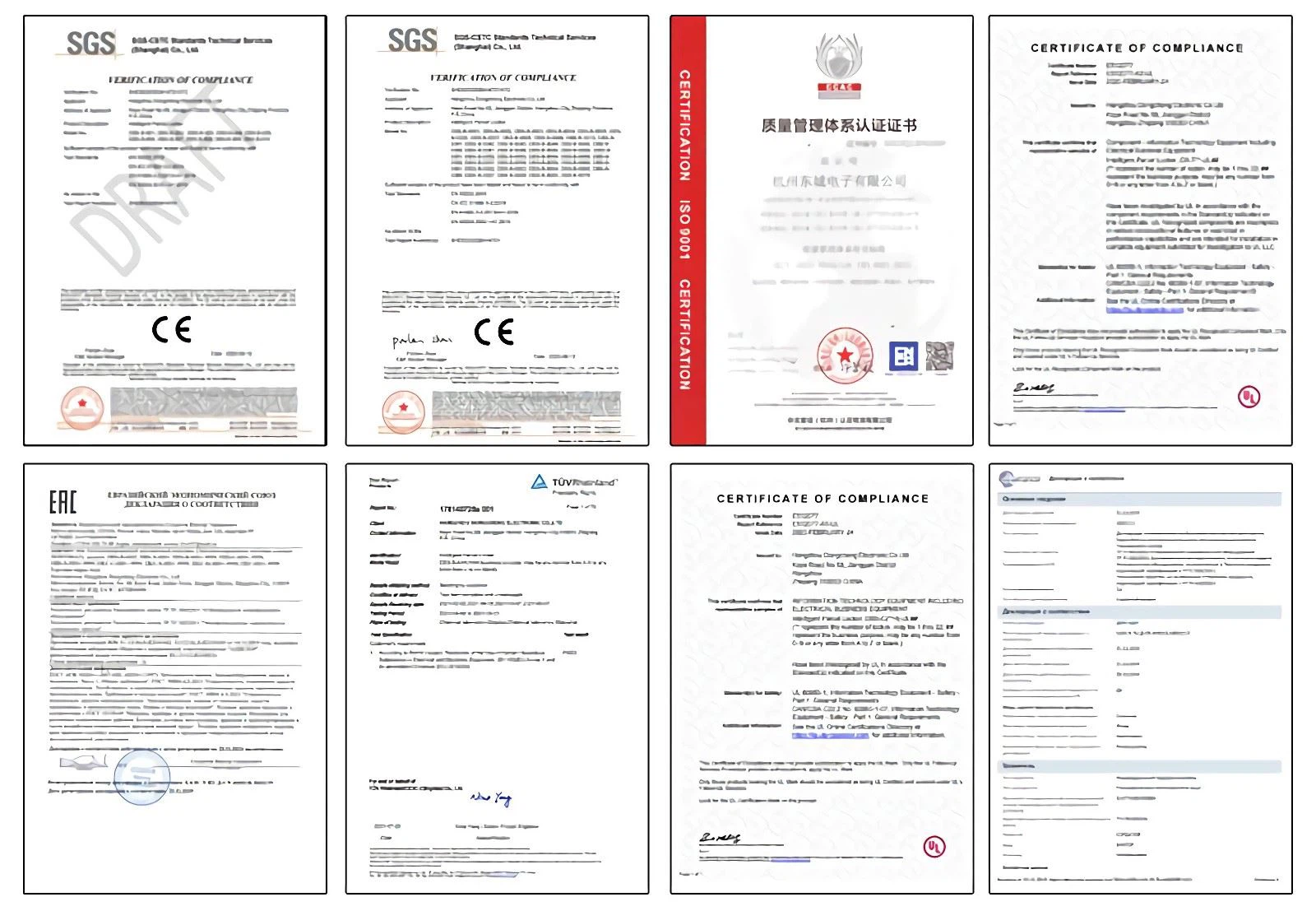
Our company has been qualified for OEM&ODM. Now our main CE&UL certified products are: intelligent parcel delivery lockers for logistic delivery, smart storage locker for temporarily personal items storage, refrigerated delivery lockers for cold chain delivery, food warmer delivery locker, blue tooth locker, laundry locker, file management locker, clothes/shoes distribution locker, tool locker, package tower etc.
Definition of Food Locker
A food locker is an exciting piece of restaurant technology that's revolutionizing the way people pick up takeout orders. Put simply, it's a device designed to store food at a certain temperature. Accessible to customers and delivery drivers, it facilitates the transfer of meals from the restaurant to the consumer. In the food and beverage industry, food lockers are a typical locker unit with cubicles that to hold food inside of them for pick-up. Throughout the pick-up locker system, each cubicle is insulated and has its own customizable temperature control. No longer will your food grow cold as it awaits you! This isn't the only feature of food lockers, though. In addition to a customizable temperature control system, the dimensions of food lockers and the cubicles often are customizable to tailor to the needs of the restaurant.


Hangzhou Dongcheng Electronic Co.,ltd is a professional locker manufacturer specializing in electronic locker including new product food locker, The food locker provides you an effective way for temporary food storage. That is heating locker equipped with the lights of ultraviolet rays, the locker is with a safe storage environment. the heating temperature inside the locker can be up to 60℃.
Benefits of Food Locker
From traditional restaurants and food halls to ghost kitchens and fast food chains, anyone that's in the food industry can enjoy the benefits of food lockers. Here are some of the key advantages they offer.


Fewer mistakes and customer mix-ups
There's nothing more frustrating than getting a negative review for something that was out of your control. If a customer or delivery driver accidentally grabs the wrong takeout container, your business will suffer as a result. Food lockers reduce the risk of mix-ups by connecting orders with pins or qr codes. Thus, customers can only access the correct orders.
Lower customer wait times
To reduce order confusion, some restaurants might assign an employee to manually hand out takeout orders. While this helps ensure that the right person is getting their order, this system is not efficient if you have lots of takeout orders. Not only does it take the time and energy of a staff member, but it also makes customers wait in line to get their order. The longer they wait, the more frustrated they get with your business. With food lockers, customers can skip the line by gaining direct access to their order. Some lockers even let you send out an alert to the customer when their food is ready, further lowering the time they spend waiting.
Better tasting food
One of the worst things about eating takeout is that the quality of the food tends to be lower than that of dine-in meals. This is typically due to temperatures — your meal may be piping hot when it's made, but cold by the time you pick it up.
Food lockers let restaurants preserve meals at a precise temperature. If a meal is served best hot or chilled, you can keep it that way until the customer picks it up. Better tasting meals translates to better reviews.
Fewer theft rates
Most restaurants don't bother to check id when a customer comes in for their order. While most people are only interested in their own orders, there are always dishonest people looking to steal a free meal. Unfortunately, it's incredibly easy for someone to come in and take somebody else's food. By giving pins and codes to paying customers, food lockers make it virtually impossible for a thief to take another person's meal. This helps boost your reputation and save money in the long run.
More conserved space
Unless you have a large restaurant, managing takeout orders can consume your valuable space. Many customers will wait inside your business for their food, which can make it crowded. This is especially difficult if you own a ghost kitchen, which already lacks space due to the omission of the typical dine-in area. What makes food lockers great is that they generally don't take up much space. You can install them near the back of your kitchen, giving customers quick and easy access to their food without having them clog up your space.
Food Locker:Food Safety and Storage
Your food locker temperature should be at 30-40°C. The freezer temperature should be below -15 °C. Use a thermometer to check the temperature in your food locker.
When shopping, buy chilled and frozen foods at the end of your trip and take them home to store as quickly as possible. On hot days or for trips longer than 30 minutes, try to take an insulated cooler bag or ice pack to keep frozen foods cold. Keep hot and cold foods separate while you take them home.
When you arrive home, put chilled and frozen foods into the food locker or freezer immediately. Make sure foods stored in the food locker are frozen hard.
When you have cooked food and want to cool it:
• Put hot food into shallow dishes or separate into smaller portions to help cool the food as quickly as possible.
• Don't put very hot food into the refrigerator. Wait until steam has stopped rising from the food before putting it in the food locker.
Food poisoning bacteria can grow in frozen food while it is thawing, so avoid thawing frozen food in the temperature danger zone. Keep defrosted food in the food locker until it is ready to be cooked. If using a microwave oven to defrost food, cook it immediately after defrosting.
As a general rule, avoid refreezing thawed food. Food that is frozen a second time is likely to have higher levels of food poisoning bacteria. The risk depends on the condition of the food when frozen, and how the food is handled between thawing and refreezing. Raw food should never be refrozen once thawed.
Raw food and cooked food should be stored separately in the food locker. Bacteria from raw food can contaminate cold cooked food, and the bacteria can multiply to dangerous levels if the food is not cooked thoroughly again.
Always store raw food in sealed or covered containers at the bottom of the food locker. Keep raw foods below cooked foods, to avoid liquid such as meat juices dripping down and contaminating the cooked food.

You're hungry, so you decide to order from your favorite restaurant. But it's 1 pm and the lunch rush has just begun. Luckily, with self-service food lockers, long lines and crowded dining rooms are a thing of the past. Just arrive at the location of the food locker, open the temperature regulated compartment…and that's it! Let's review…It's as easy as:
• Place your order
You can choose either to order online or at the location, through a kiosk or cashier, and sometimes, even select an exact pick-up time.
• Receive a text or code to pick up your meal
Depending on your ordering choice, you'll either receive a text notification that your food is ready or at the location, you'll see your order number completed on a digital board.
• Grab and go
The final step is simply scanning a QR code or entering a PIN code in the self-service food locker to retrieve your order. Food lockers ensure the right food goes to the right person at the right temperature!
• Keep storage areas clean, dry and free of pests
• Use food-safe containers, covers and packaging to protect food
• Store potentially hazardous food at 5°c or colder - check it with a thermometer
• Store raw food like meat and seafood separately or below ready-to-eat foods to avoid contamination from meat juices etc.
• Make sure frozen food stays frozen hard
• Check that food packaging is undamaged
• Don't store food in warm or humid areas or in direct sunlight if this could spoil the food or make it unsafe
• Store food, containers and packaging off the ground and away from chemicals like cleaners and insect sprays.

How to Clean Food Locker
Food locker are a versatile and durable storage solution for any workplace. But it's important that they are looked after correctly to guarantee a long life and continue to protect contents effectively. Just like any other equipment your food locker need proper care and attention.
Empty
First of all, remove all of the contents from the locker. This is a great first step to help you declutter anything that's been hanging around in your food locker for a food and is no longer needed.
Dust
Now that the food locker is empty simply dust out with any dry cloth or material. Do this before you use any wet cleaning materials or perform any deeper cleans. This will remove any dust particles and crumbs that can build up, especially in the corners. Don't use abrasive cloths or materials to clean with as this may dull your food locker shine.
Wipe down
Wipe down the locker with a wet cleaning material such as a disinfectant wipe. Thoroughly clean down all surfaces, inside and out including the lock. This will make sure that any germs are removed to avoid cross-contamination.
Deep clean
If your food locker are particularly dirty they may require deeper cleaning. Simply use hot water to remove any tough dirt and then finish by disinfecting the food locker.
Leave to dry
Leave the food locker to dry following the cleaning. You shouldn't have to wait too long but give it enough time to ensure that any bacteria has been disinfected.
Replace contents
Job completed! You can now return all of the foods to your sparkling and 'good as new' food locker!
As college and university campuses become more diverse and dynamic, so do the needs of the students. One essential aspect of student life is access to convenient and secure food storage options. Food lockers have emerged as a popular solution, offering students a reliable way to store their meals, snacks, and perishables. In this comprehensive guide, we'll explore the factors to consider when choosing food lockers:
Space and placement: The first step in selecting food lockers is determining where they will be placed on campus. Consider high-traffic areas such as dormitories, common areas, or near cafeterias. The lockers should be easily accessible to students, minimizing the distance they have to travel to store or retrieve their food.
Size and capacity: Food lockers come in various sizes, so it's crucial to choose ones that accommodate the needs of your student population. Assess the average quantity of items students might want to store, including meals, beverages, and snacks. Locker sizes should be versatile enough to hold both small and large containers.
Security and technology: Security is paramount when it comes to food lockers. Look for lockers with advanced locking mechanisms such as keypad entry, rfid cards, or biometric authentication. These options ensure that only authorized individuals can access the lockers. Additionally, consider integrating a monitoring system to prevent misuse or theft.
Hygiene and maintenance: Food safety and hygiene are of utmost importance. Opt for lockers with easy-to-clean surfaces and materials that resist bacterial growth. Incorporating ventilation systems can help maintain optimal temperature and air quality inside the food lockers, preventing food spoilage.
Customization and branding: Many colleges and universities take pride in their unique identity. Select food lockers that can be customized to match the campus aesthetics or branding. Customization options may include the ability to choose colors, add logos, or display messages.
Payment and accessibility: Determine whether the food lockers will be free for students to use or if a payment system will be implemented. Some institutions offer locker access as part of a meal plan, while others might charge a nominal fee. Make sure the payment process is user-friendly and well-integrated into campus systems.
Integration with campus apps: In today's tech-savvy environment, integrating food locker access with campus apps or student portals can enhance convenience. Students can use their smartphones to reserve, unlock, and monitor their lockers, streamlining the process.
Sustainability considerations: As sustainability becomes a priority, choose food lockers that align with your institution's green initiatives. Look for options made from eco-friendly materials and those designed for energy efficiency.
Feedback and student involvement: Before finalizing your decision, gather input from students. Conduct surveys or focus groups to understand their preferences and needs regarding food storage. Their insights can help fine-tune your selection and ensure that the chosen food lockers meet student expectations.
Hangzhou Dongcheng Welgo Industrial Co., Ltd is the wholly-owned subsidiary of Hangzhou Dongcheng Electronic Co., Ltd. Being a professional manufacturer of intelligent dropoff & pickup locker equipment in China, we currently have more than 500 employees, nearly 100 R&D engineers included. The two production bases and one office building cover over 100000 ㎡.
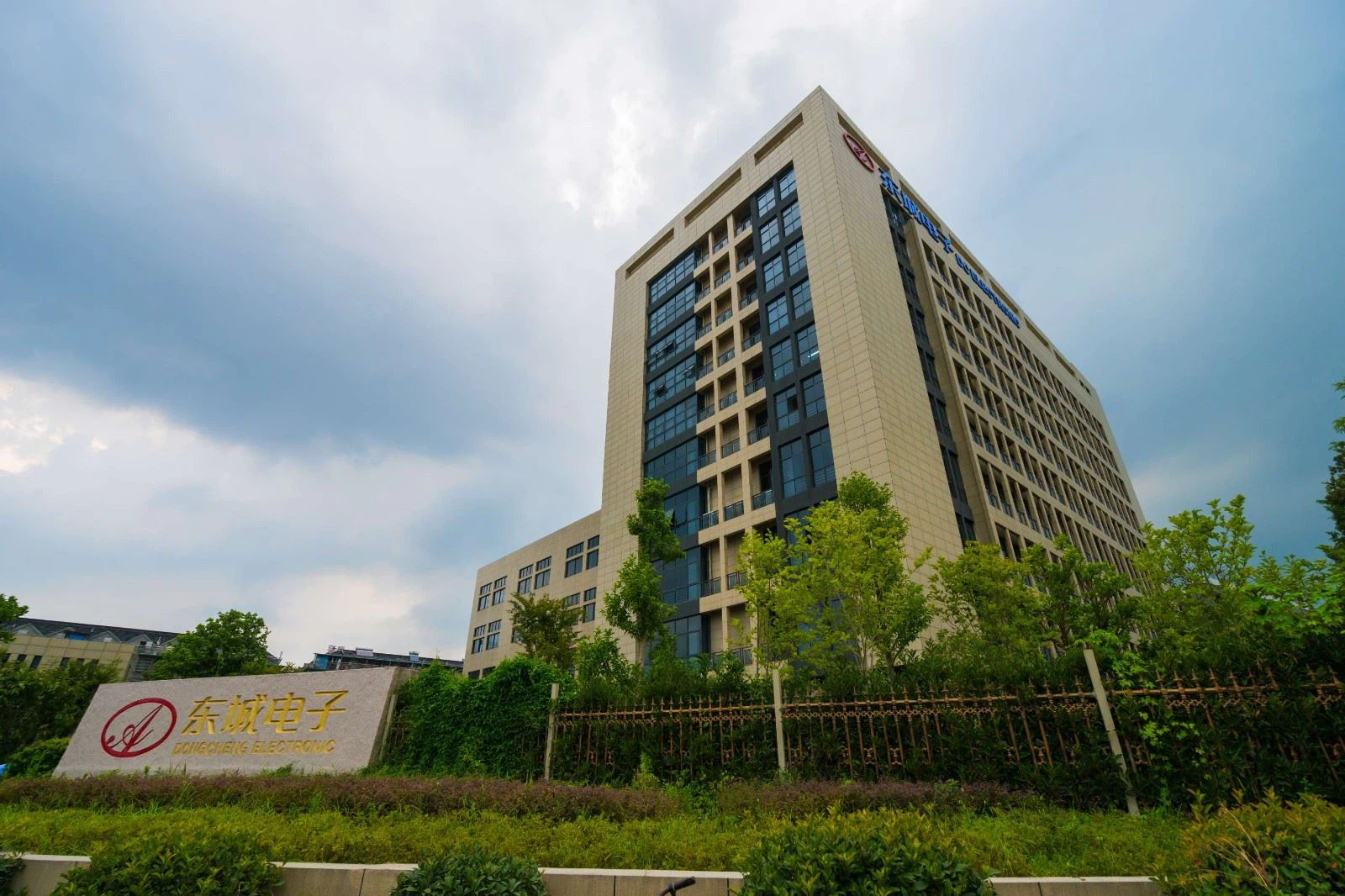
Our company has been qualified for OEM&ODM. Now our main CE&UL certified products are: intelligent parcel delivery lockers for logistic delivery, smart storage locker for temporarily personal items storage, refrigerated delivery lockers for cold chain delivery, food warmer delivery locker, blue tooth locker, laundry locker, file management locker, clothes/shoes distribution locker, tool locker, package tower etc.
As an OEM & ODM, we spare no effort to innovate in designing and manufacturing. Our company now has two factories covering an area of 86000 square meters and 500 workers are on the production line.
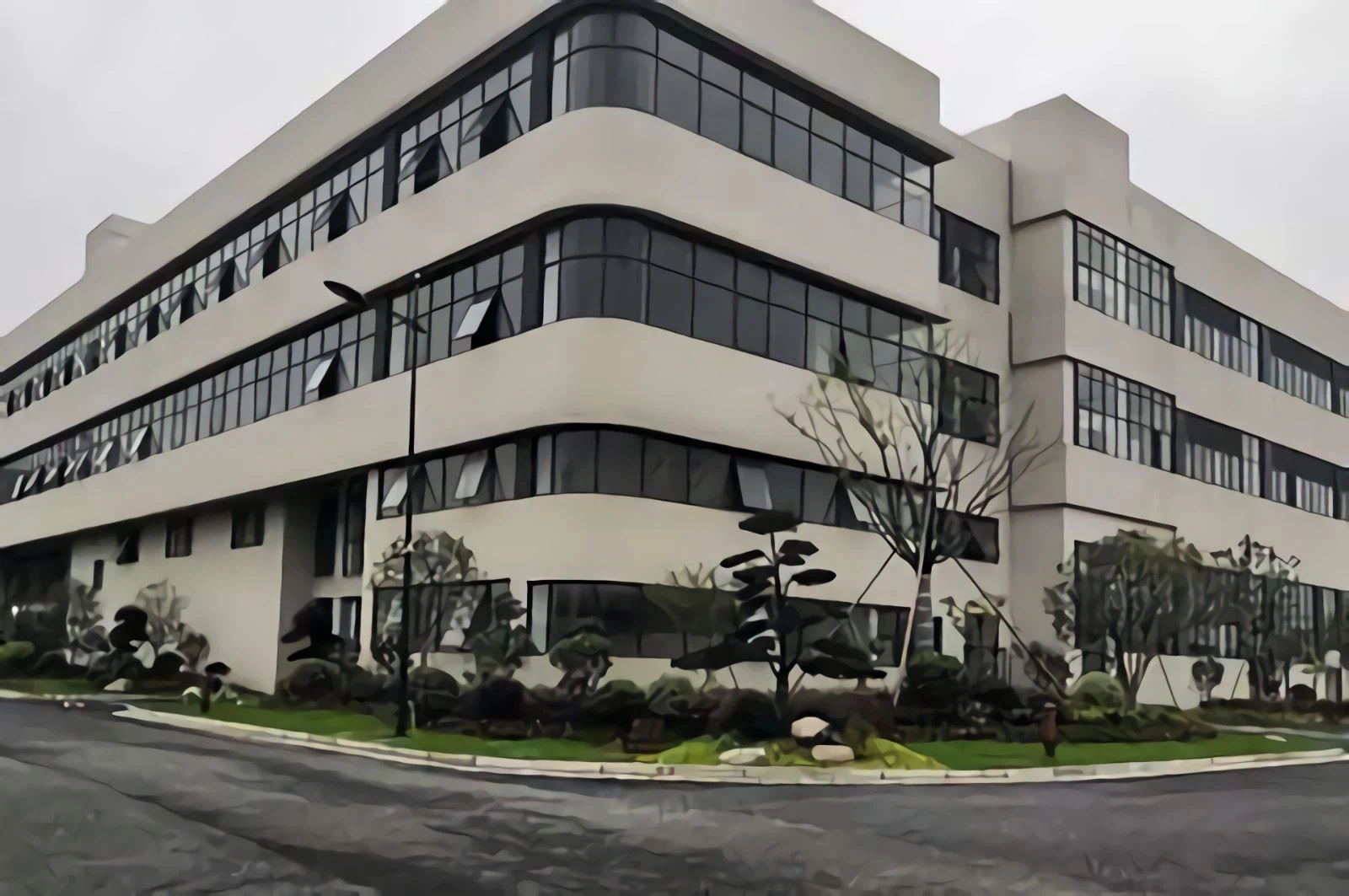

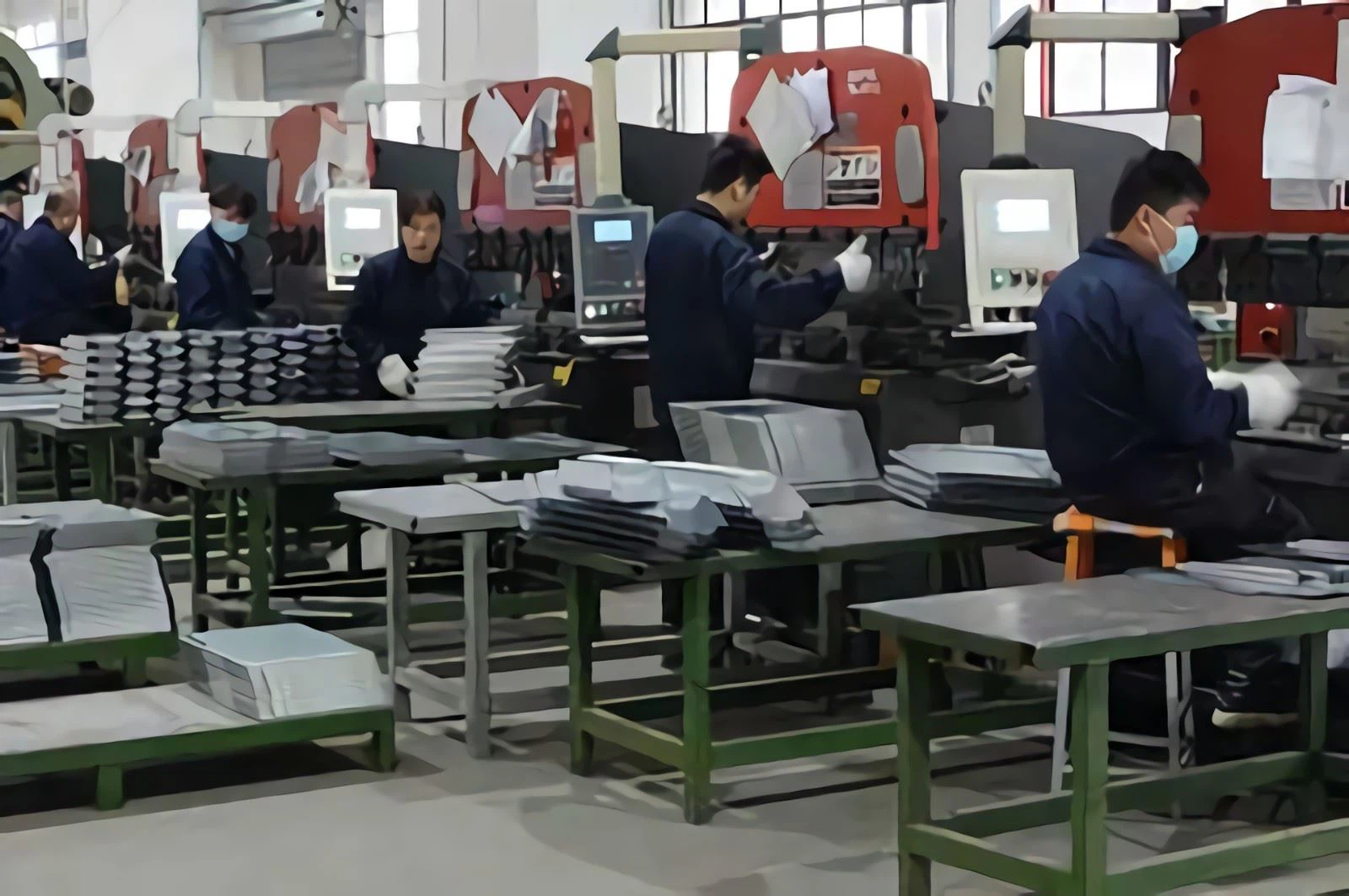
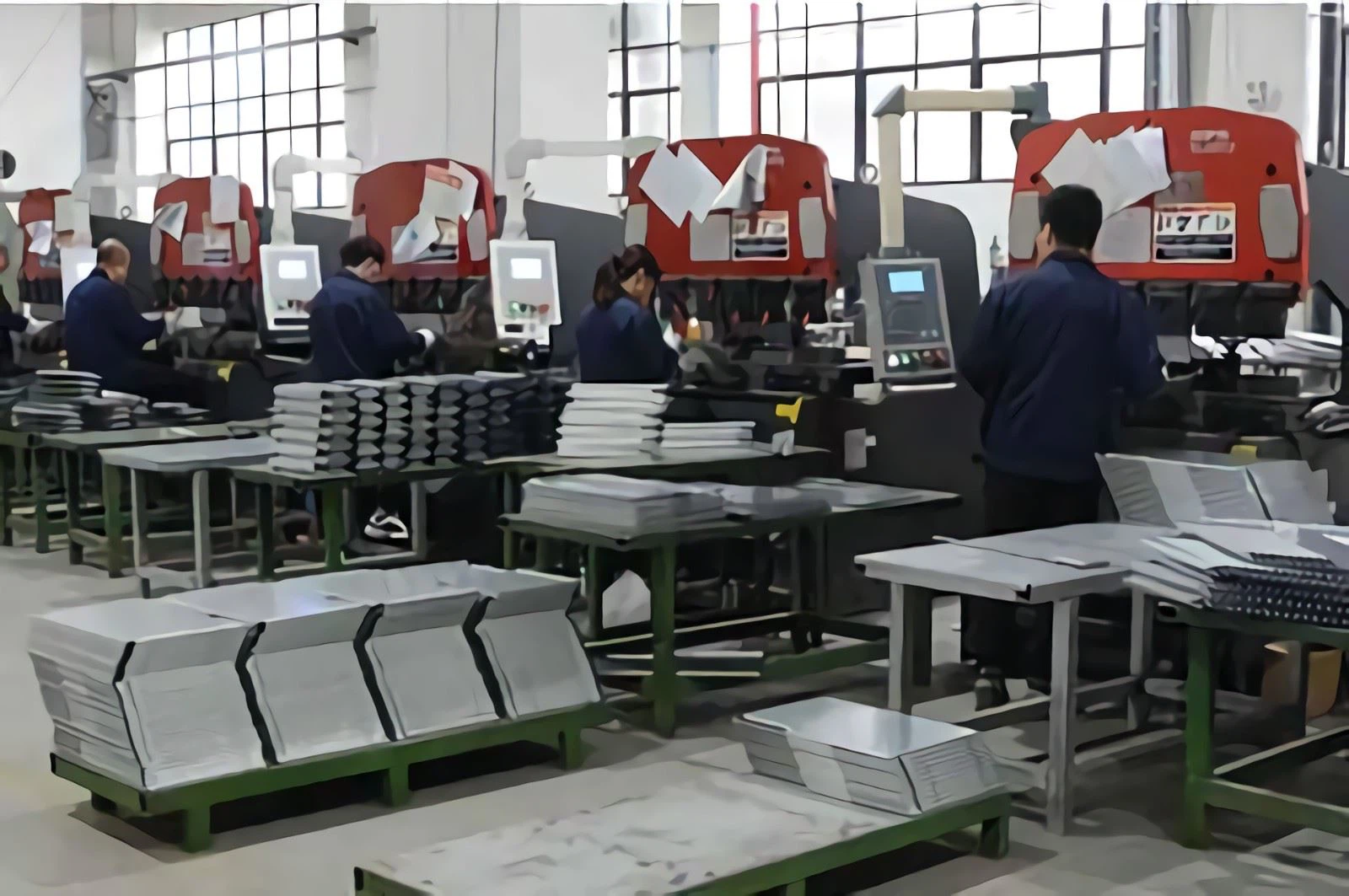
Factory No.1 can produce 2000 lockers per day , the annual capacity is 24000 lockers, While factory No. 2 can produce 5000 lockers per month with an annual output of 60000 lockers, The total output is around 84000.
Our Certificate
Ultimate FAQ Guide to Food Locker
Hangzhou Dongcheng Welgo Industrial Co.,Ltd is one of the most professional food locker manufacturers and suppliers in China, specialized in providing high quality design service. We warmly welcome you to buy custom made food locker at competitive price from our factory. For more company information, contact us now.
Warmer Locker, Food Locker, Fast Food Locker